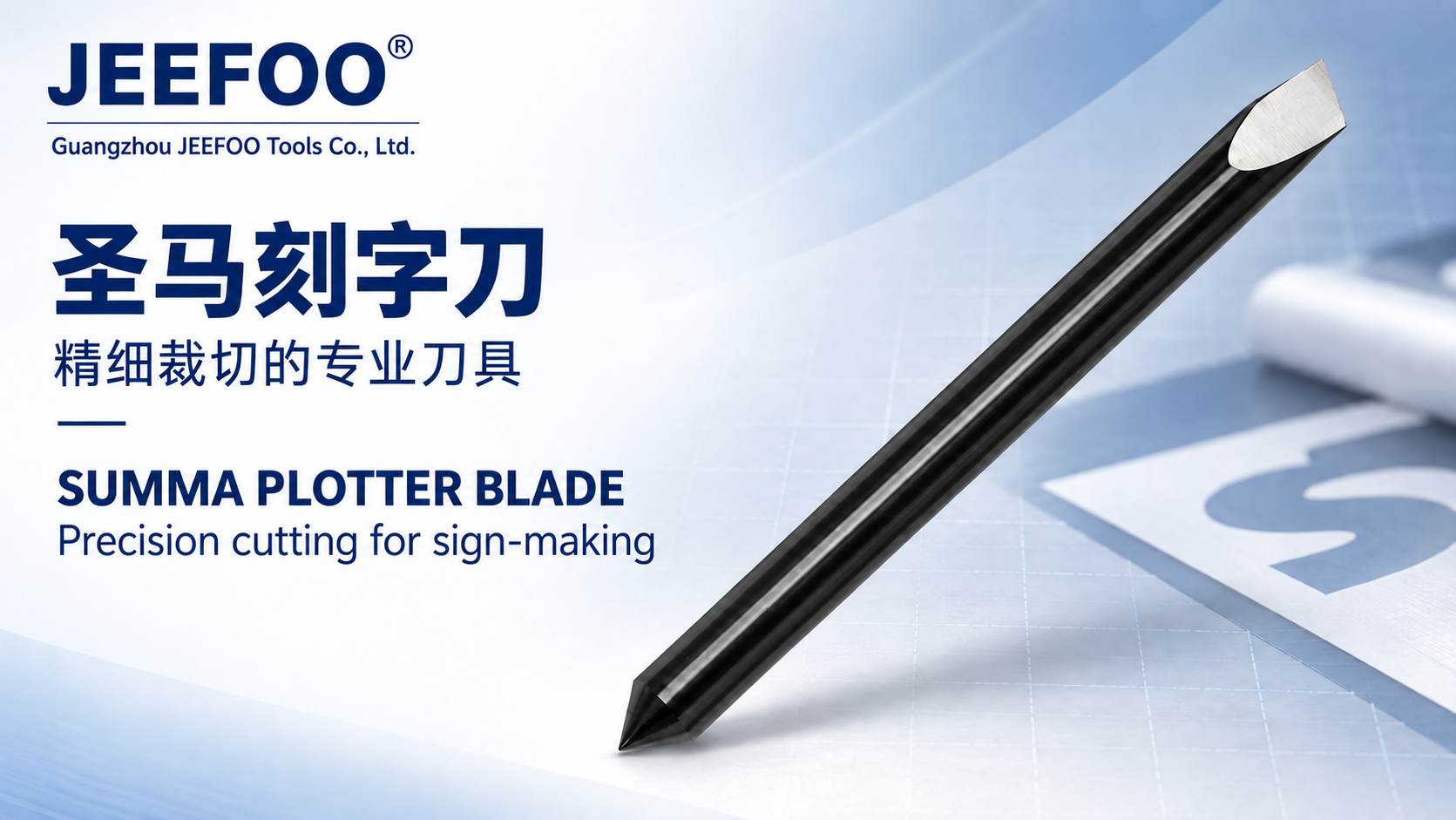
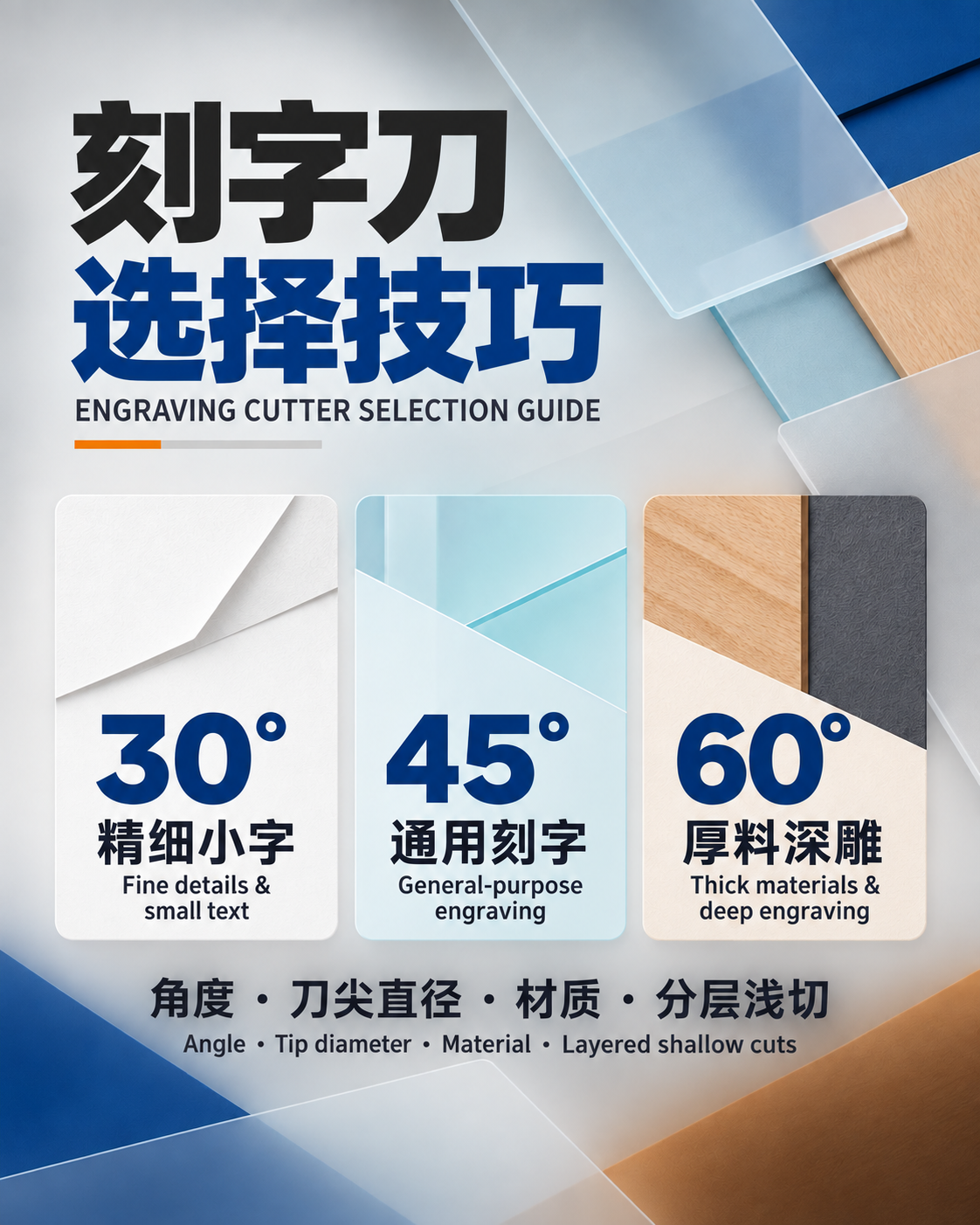
Quick answer: In this article, a carving knife means a hand-held cutting or engraving tool selected by blade section, point shape, width, handle form, workpiece material and required line. It does not refer to a kitchen carving knife. The original description mentions round wooden handles, oval, diamond and rectangular tool sections, sloping faces, blunt, round and pointed tips, plus straight and curved handles.

Contents
What does “carving knife” mean here?
The source text describes a family of steel engraving and carving tools with a wooden handle, varied cross-sections and shaped cutting ends. That is closer to hand engraving, woodcarving or detailing tools than to the long slicing knife used for cooked meat. Because the original article does not identify a manufacturer, steel grade, bevel angle, sweep, blade length or target material, those details must not be assumed.
A precise tool name matters. Knives, chisels, gouges, gravers and V-tools remove material differently and may use different pushing, pulling, striking and sharpening methods. Confirm the exact tool category and maker’s instructions before use.
Carving knife blade sections and point shapes
Oval section
An oval cross-section can provide a rounded transition and a different stiffness or clearance profile from a flat blade. The cut it leaves depends on the sharpened geometry, not the cross-section name alone. Inspect the cutting end and bevel before matching the tool to a line.
Diamond section
A diamond-shaped section is commonly associated with angular or V-shaped cuts in engraving contexts. The included angles, heel, face and point determine how the tool tracks and how the groove widens with depth. “Diamond” does not identify those angles or authorize use on any specific material.
Rectangular section and sloping face
The original text says a rectangular-section tool may end in a sloping surface. Depending on the actual sharpening, this could present a straight, skewed, flat or pointed cutting edge. Verify which face is the bevel, which direction is intended to lead and whether the tool is pushed by hand or used by another approved method.
Blunt, round and pointed ends
A pointed end can reach fine details but concentrates force and may be easier to break or deflect. A rounded form can create a curved-bottom groove or smooth transition. A broader or blunter profile may remove a wider path, but “blunt” should not mean dull: a carving edge still needs the sharpness and geometry intended by its maker.
Pfeil’s official carving-tool catalog shows that carving tools are differentiated by profiles, sweeps, sizes and tasks and also stresses careful handling and storage. That catalog is a reference for tool-family distinctions, not a specification for the unidentified tool described here.
Match the carving knife to line width and depth
The original article correctly links tip width to the desired engraved line, but the relationship is not one-dimensional. With an angled or V-shaped tool, a deeper cut generally becomes wider. With a flat or rounded tool, width and bottom profile depend on the edge, tool attitude and path. Grain direction, hardness, pressure and sharpness can also change the visible result.
| Required result | Geometry to verify | Test-cut observation |
|---|---|---|
| Fine incised line | Point integrity, included angle and face width | Tracking, edge tearing and consistent depth |
| V-groove | V angle, symmetry, point and depth-to-width relationship | Both walls, centerline and widening with depth |
| Rounded groove | Radius or sweep and edge polish | Bottom shape, chatter and fibers at each shoulder |
| Flat recess | Edge width, corner shape and bevel clearance | Level bottom, corner marks and grain lifting |
| Skewed detail | Skew angle, handedness and leading corner | Control at entry, exit and tight corners |
Mark the target line on scrap from the same material and make shallow passes. Measure or visually compare the result before increasing depth. A tool that produces the right width in soft straight-grained wood may behave differently in hard, figured, end-grain or non-wood material.
Straight, curved, round and oval handles
The source mentions round handles for palm comfort, along with oval sections and straight or curved forms. Handle shape affects orientation, leverage, clearance and how easily the tool can roll in the hand. A round handle may allow rotation but gives less tactile indexing; an oval or faceted form can help the user feel orientation and resist rolling on a bench.
Comfort is individual and task-dependent. Choose a handle that permits control without excessive grip force or a bent wrist, while keeping fingers out of the projected cutting path. A curved handle may provide clearance for a particular cut; it does not automatically make every posture safer.
Tool steel, bevel and sharpening
The original article only says “steel,” so do not infer carbon steel, alloy steel, stainless steel, hardness or heat treatment. Sharpening media and angles must suit the actual blade material and factory geometry. Changing a bevel angle, removing a heel or rounding a point can materially change how a carving knife cuts and tracks.
Inspect the edge in good light or under appropriate magnification. Look for reflections from a dull section, chips, rolled metal, corrosion, a loose handle or a cracked tang area. Sharpen using the maker’s method, remove the burr correctly and test on scrap. If identity or heat treatment is unknown, avoid aggressive grinding that may overheat the edge.
Seven carving knife selection and setup checks
- Identify the tool type. Determine whether it is a knife, chisel, gouge, V-tool, graver or another profile and whether it is intended for hand pressure, a mallet or a powered system.
- Confirm the material. Record wood species and grain direction or the exact non-wood material. Do not assume a woodcarving tool is approved for metal, plastic, bone or stone.
- Match the cut. Define line width, depth, bottom shape, corner radius and access before choosing the section and point.
- Inspect blade and handle. Check for chips, cracks, corrosion, looseness, mushrooming, splits and damaged ferrules. Remove a defective tool from service.
- Secure the workpiece. Use a suitable clamp, bench hook, vise or fixture so the work cannot rotate or slide into the edge.
- Plan the cutting path. Keep hands, body and other people outside the projected path and avoid cutting toward a supporting hand.
- Make a shallow test. Check tracking, width, depth, grain response and control on scrap before committing to the workpiece.
Carving knife troubleshooting
| Symptom | Checks | Do not assume |
|---|---|---|
| Tool wanders | Point symmetry, bevel, grain, pressure, tool attitude and layout | A narrower point always tracks better |
| Fibers tear | Sharpness, grain direction, depth, support and cutting direction | More force will clean the cut |
| Line widens unexpectedly | Tip angle, depth, rocking and worn geometry | Blade width alone controls the groove |
| Handle rotates | Grip, handle section, moisture, clearance and tool orientation | A round handle suits every technique |
| Edge chips | Material hardness, inclusions, prying, impact, bevel and steel condition | Tool steel is immune to damage |
For related selection and maintenance topics, browse the site’s engraving and carving tool articles. General articles cannot replace the exact maker’s profile chart, sharpening instructions and safety guidance.
Safety and storage
- Use eye protection appropriate to the material and operation, especially when chips or brittle edges may break.
- Clamp the work and maintain a controlled cutting zone; never hold a small workpiece in the path of the blade.
- Carry and pass the tool with the edge protected and pointed away from people.
- Store carving tools in a rack, roll, box or edge guard so cutting edges cannot strike each other.
- Do not use a loose-handled, cracked, mushroomed or chipped tool.
Frequently asked questions
Is this the same as a kitchen carving knife?
No. The source article describes engraving and carving hand tools with varied steel sections and shaped tips, not a meat-slicing knife.
Does a pointed carving knife always make the finest line?
No. Line width also depends on included angle, depth, sharpness, tool attitude, pressure and material response.
Which handle shape is best?
There is no universal best shape. Choose according to orientation, leverage, clearance, grip, hand size and the specific cutting technique.
Can one bevel angle be used for every carving knife?
No. Preserve the documented geometry for the steel, profile, material and task. If the maker is unknown, inspect carefully and avoid irreversible changes until the tool is identified.
Why should the workpiece be clamped?
Clamping prevents unexpected movement, improves cut control and helps keep the supporting hand away from the edge path.
Conclusion
Select a carving knife by the complete cut: material, line width, depth, bottom shape, grain direction, access and safe hand position. Oval, diamond and rectangular sections, pointed or rounded ends, and straight or curved handles each change control and the resulting groove. Identify the tool, inspect it, secure the work and validate the chosen geometry with a shallow test cut.