皮卡刻字刀换刀后怎样记录试切?先保留换刀原因,再把设备、刀具、材料和试样编号对应起来,逐轮记录单项调整、观察结果与放行条件。这样下一班才能核查结果,而不是只抄一组刀压和速度。新刀未经验证,不应继承旧刀为补偿磨损而增加的外露或压力。
1. 皮卡刻字刀换刀前保留原始状态
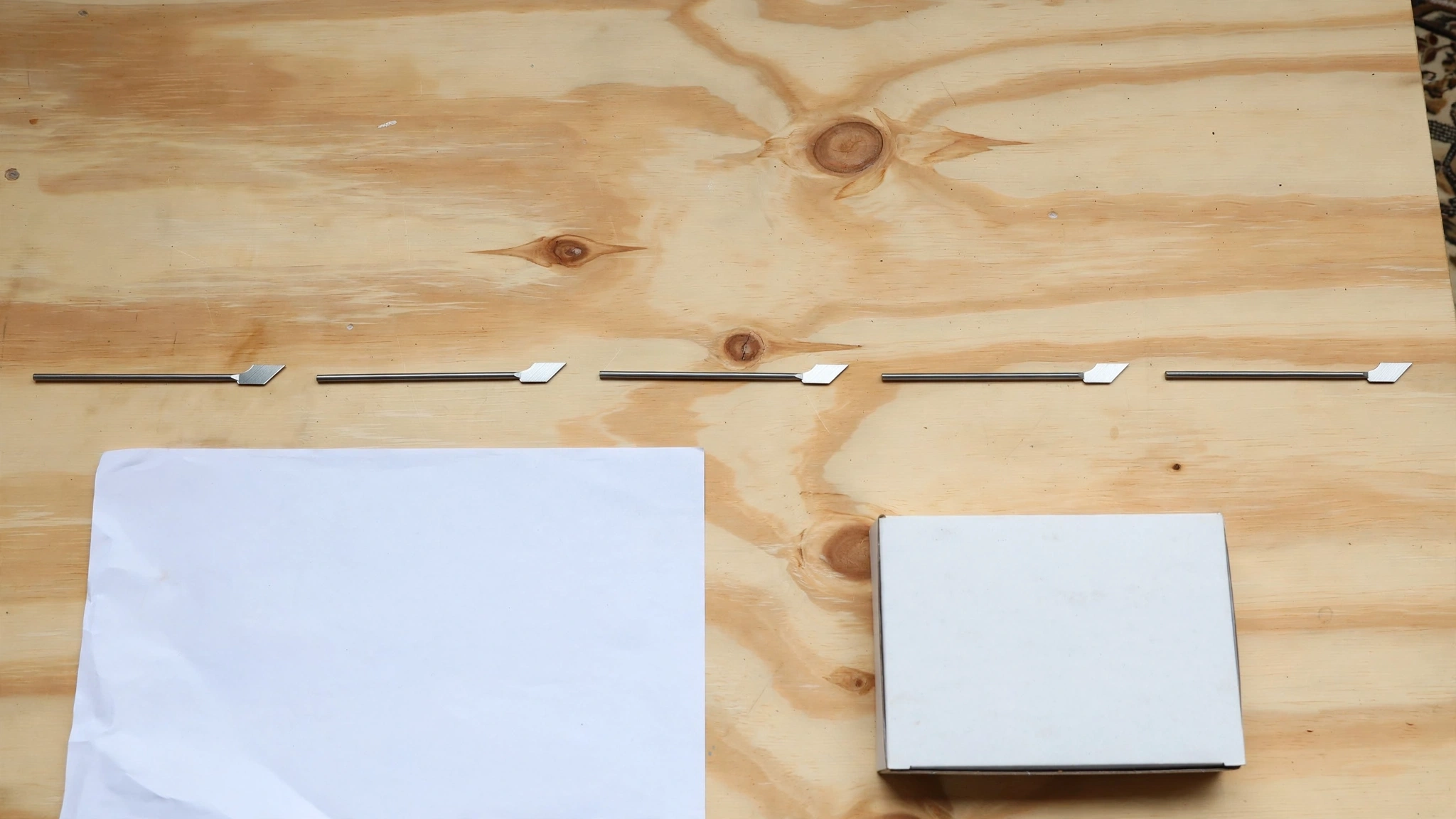
在移除旧刀前,写明此次换刀是计划保养、刀尖受损、排废困难还是临时故障,并注明异常发生在哪种图形上。把旧刀状态与新刀包装分别拍照,避免之后无法区分。若旧刀曾为补偿磨损而调整外露或压力,应把这个背景写清楚;新刀不能未经验证就继承这些补偿条件。未知的原始值留空,不凭记忆补填。
2. 给材料与试样一个可追溯编号
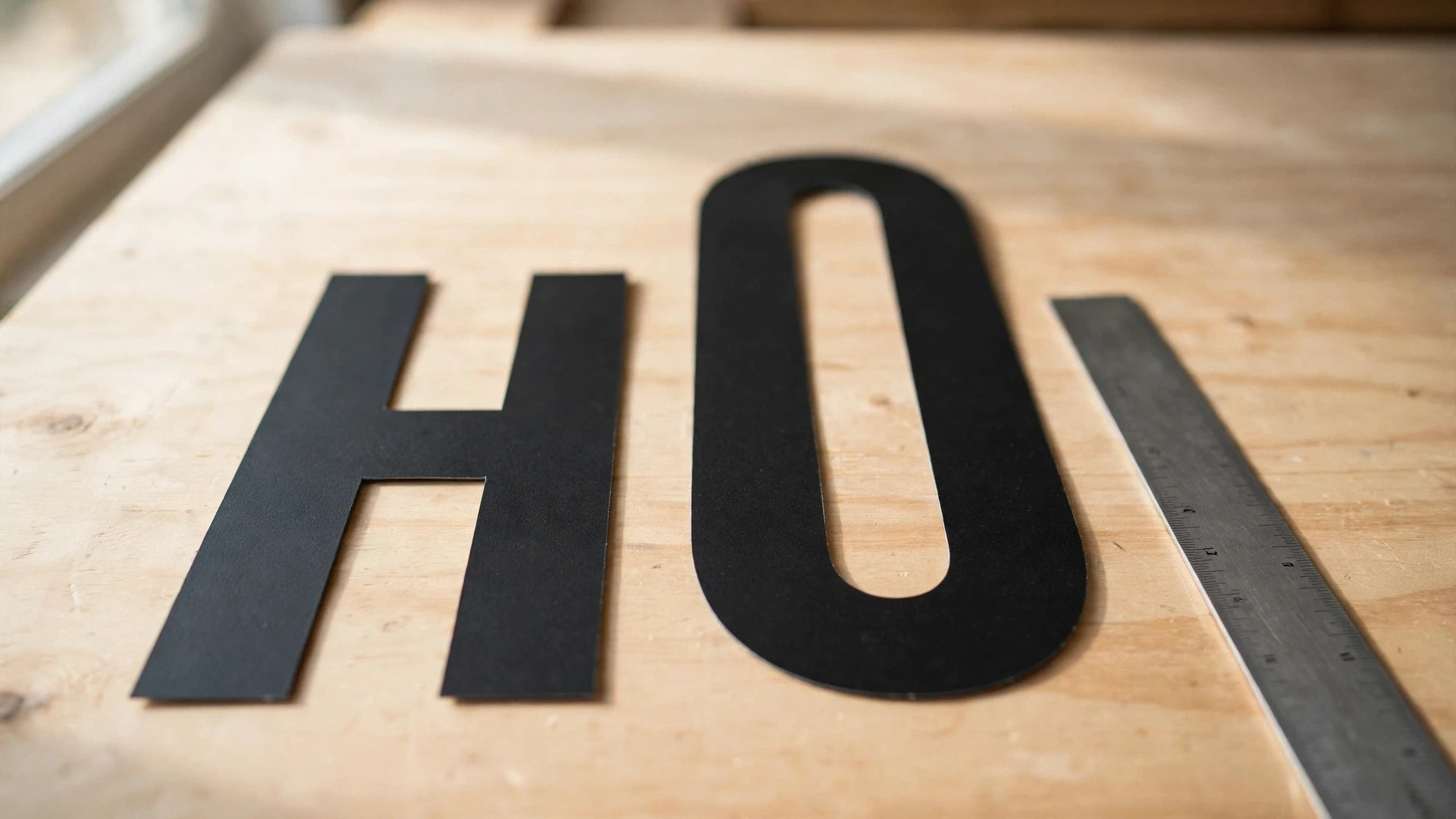
记录实际用料的名称、批次或可追溯标签,注明是否覆膜、底纸类型及样品方向。选取含生产难点的测试图,并保存其文件版本。试样上写明编号,让照片、参数与实物能够互相对应;仅保存一张没有比例和编号的切割照片,日后很难判断细节尺寸、材料状态或试验先后顺序。
3. 逐轮记录单项改动和观察结果
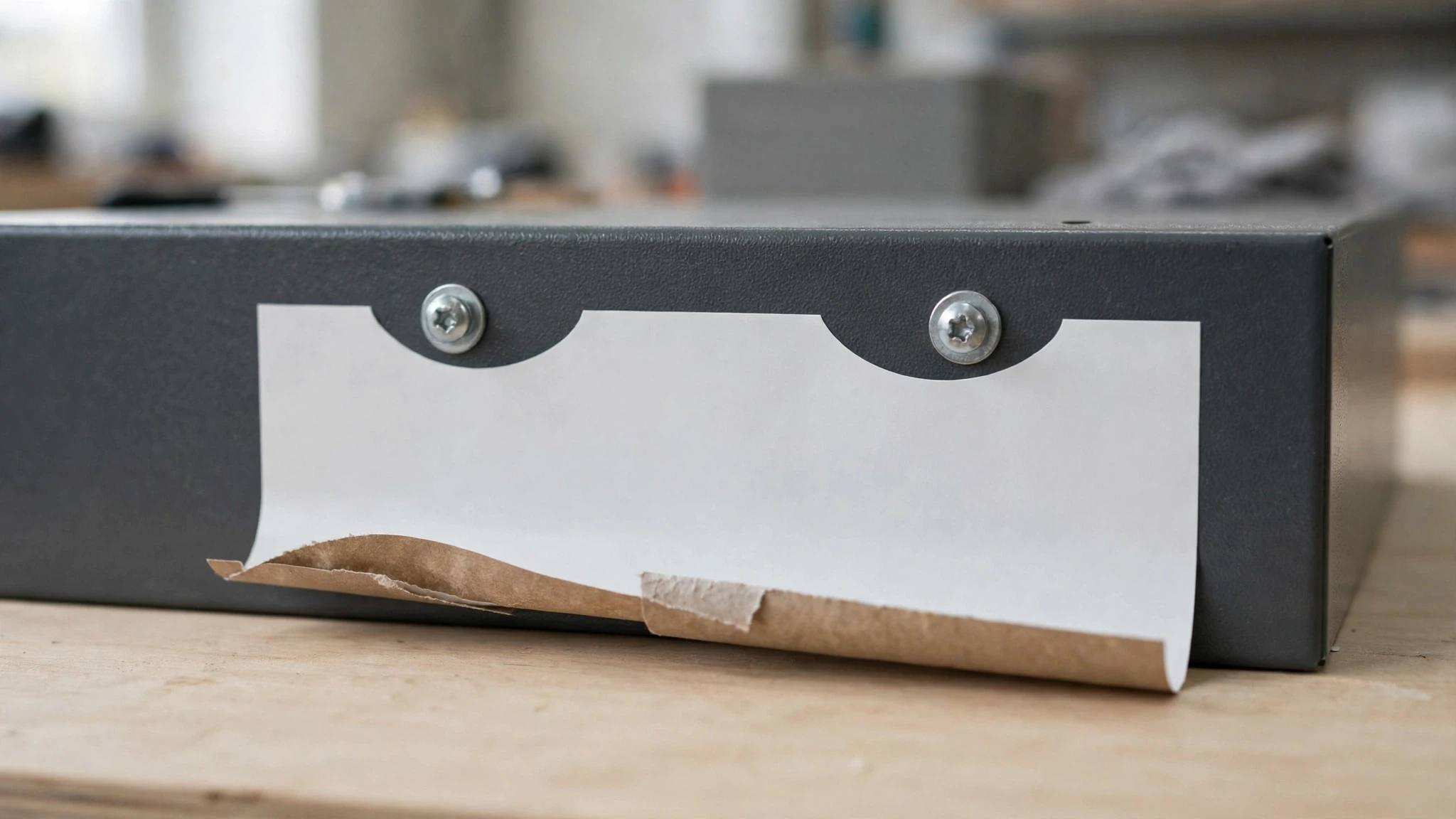
每轮保留未改动的条件,只在记录中突出本次调整项。结果描述使用具体语言,例如某个内角仍有连接、细笔画被带起、底纸出现深沟,而不要仅写“较好”“一般”。将失败样也纳入顺序,才能看出哪一步改善了问题。设备参数单位与设置位置应按本机界面填写,不把不同设备上的数值视为可直接互用。
4. 把放行条件交给下一班
试切合格后,保存成品与底纸两面的照片,并注明排废是否完整、最细图形是否保留以及正式任务的适用范围。为便于交接,可同时标明哪些变化需要重新验证,如材料批次、刀座或设计细节变化。将已验证记录与当前货号关联,避免下一次领用外形接近的刀片后直接套用旧设置。
试切记录常见问题
只记刀压和速度,足够复现结果吗?
不够。还应记录设备与刀具身份、材料批次、刀尖外露状态、测试图版本、调整顺序,以及面材、底纸和排废的观察结果。记录的是已验证的条件组合,不是脱离材料的一组通用数值。
失败试样和未知参数怎样处理?
失败样按编号保留并注明具体缺陷;未知参数标注“未确认”,不凭记忆补填。更换材料批次、刀座或图形细节后,应按对应设备与刀具资料重新验证。
关于通过试切检查缺切、底纸和转角,可参考MIMAKI CG-AR官方试切说明。该资料针对其指定设备,仅作为检查逻辑参考,不能把其中菜单或参数直接套用于皮卡设备。
英文技术摘要 / English test-record summary
A useful replacement-blade test record identifies the machine, blade, holder, material and sample before listing pressure or speed. Record the reason for replacement and retain photographs of the old blade and new packaging. A new blade should not automatically inherit settings previously increased to compensate for wear.
Give each sample a traceable identifier. Include the material batch, backing, lamination status, sample direction and test-file version. Keep photographs and physical samples linked to the same identifier. Record the actual units and setting locations shown on the machine.
Change one variable per trial and describe the observed defect precisely. Examples include an uncut corner, a lifted fine stroke or a deep mark in the backing. Keep failed trials in sequence so that another operator can understand which adjustment changed the result.
Release a job only against its documented acceptance criteria. Retain views of the finished material and backing, note weeding results and identify the validated application. Recheck the process when the material batch, blade holder or design details change. Unconfirmed settings should remain marked as unknown rather than reconstructed from memory.