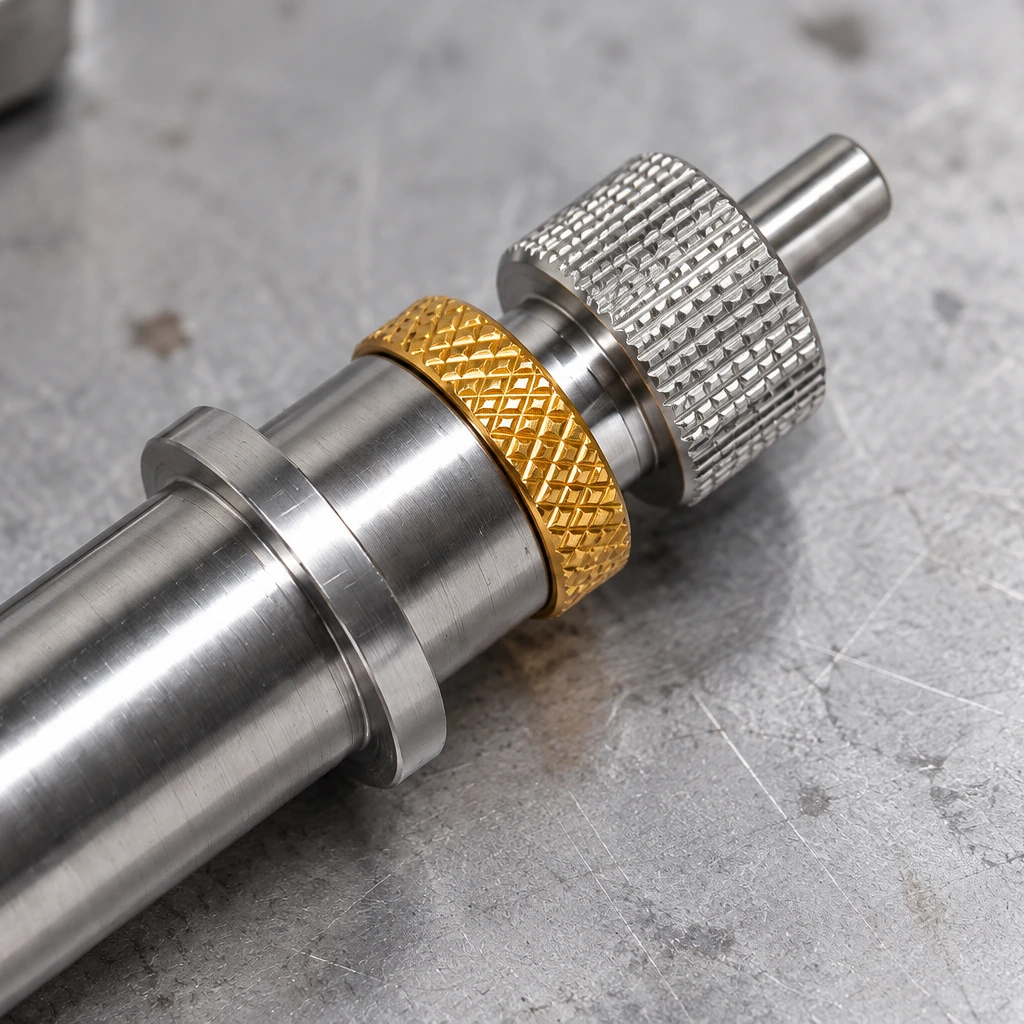
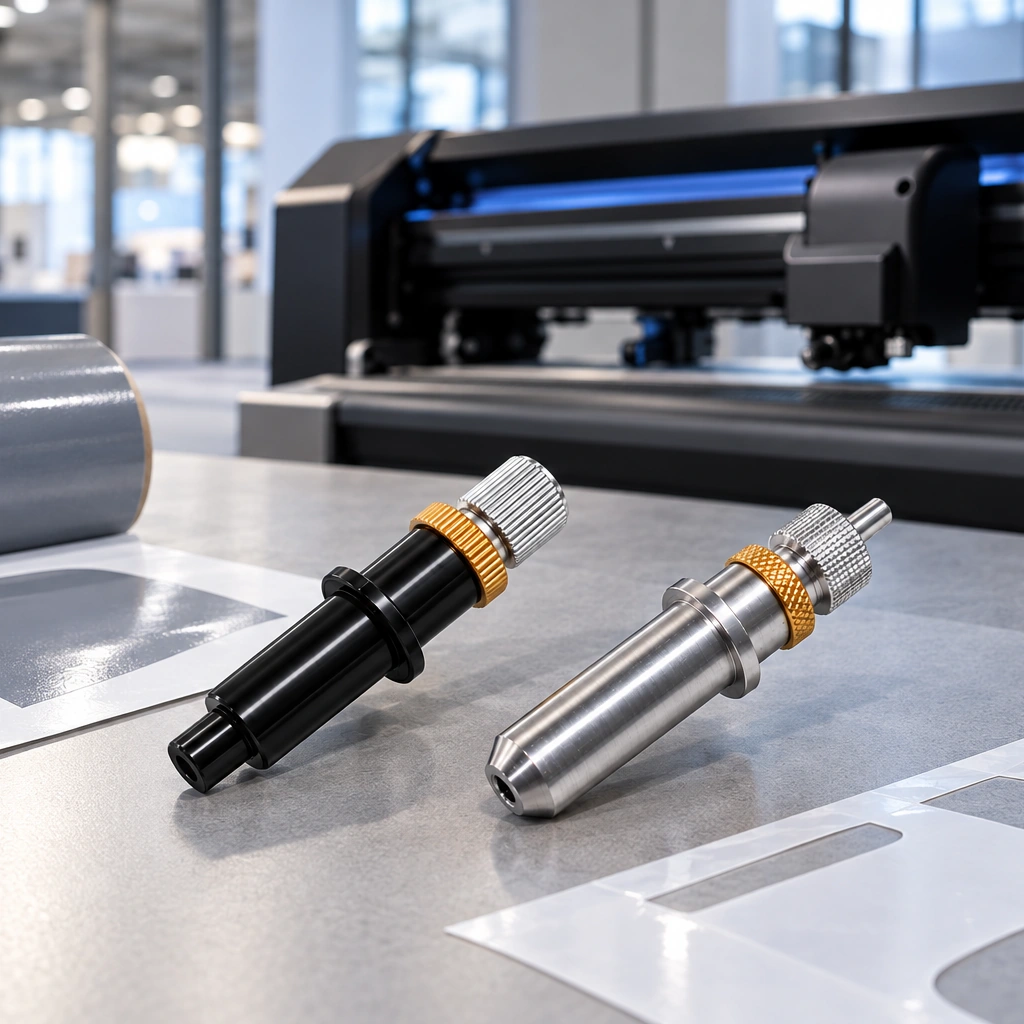
Quick answer: A two-flute carbide spiral cutter has two cutting edges and helical flutes. A compatible design may provide a smooth finish in acrylic, PVC, wood, or other listed materials, but flute geometry, chip space, carbide grade, diameter, machine rigidity, and verified cutting data determine the result. It must not be assumed suitable for iron or steel unless the exact manufacturer explicitly lists those materials.

Two-flute carbide spiral cutter guide
How does a two-flute carbide spiral cutter work?
Two cutting edges engage the material during each revolution. At the same RPM and feed rate, a two-flute tool has a lower feed per tooth than a one-flute tool. To preserve chip load, feed normally changes with flute count, but the correct value must come from the exact tool and workpiece data. More flutes can improve edge engagement and tool balance, while reducing flute space available for chips.
The spiral direction controls chip flow and axial force. Upcut geometry moves chips toward the spindle, often helping evacuation but potentially lifting thin stock. Downcut geometry pushes force toward the table and may improve the top edge, while requiring a plan to prevent chips from packing in the groove.
Acrylic, PVC, wood, and metal claims
Acrylic and PVC are broad material families. Cast acrylic, extruded acrylic, rigid PVC, and foamed PVC do not cut identically. Use a sharp geometry the supplier lists for the actual material, and monitor chips, heat, and edge quality. Rubbing caused by high RPM and low feed can melt thermoplastics.
As a documented example, LMT Onsrud’s official 52-624 page describes a solid-carbide, two-flute, upcut O-flute tool with low-helix geometry for soft and hard plastic and solid surface. The page separately lists cutting diameter, cutting length, shank diameter, overall length, and flute count. Those facts apply to that item only.
The original article said the tool could process ferrous metals such as iron and steel. That claim is not retained as a general recommendation. A plastic-routing geometry may lack the substrate, coating, edge preparation, flute form, or operating limits required for steel. Use a cutter explicitly specified for the exact ferrous alloy and machine; otherwise do not attempt the operation.
7 specifications to confirm before ordering
- Cutting diameter: affects feature radius, stiffness, power, and chip load.
- Cutting-edge length: must cover the planned depth without rubbing the shank.
- Shank diameter: must match the correct collet or holder.
- Overall length: must provide clearance without excessive tool projection.
- Helix and flute direction: determine chip flow and axial force.
- Carbide grade and coating: require product-specific documentation.
- Approved materials and cutting data: verify the maker’s application list, RPM limits, feeds, and depth guidance.
Two flutes versus one flute
A one-flute tool provides a larger chip gullet and can be useful where evacuation is the limiting factor. A two-flute tool provides two edge engagements per revolution and may support finish or productivity when the machine can maintain the required feed. Neither design is universally better. Select by material, tool diameter, spindle range, attainable feed, chip evacuation, and finish requirement.
Safe setup and test-cut process
- Inspect the cutter, confirm spindle rotation, and verify that the tool is actually approved for the workpiece.
- Clean the shank and collet; clamp at the recommended depth without gripping the flutes.
- Minimize stick-out while checking holder, fixture, clamp, and workpiece clearance.
- Enter the true diameter and two-flute count in CAM. Review ramping, lead-in, depth per pass, and cut direction.
- Secure the sheet and provide material-appropriate extraction, air, or coolant only where instructions permit.
- Begin with manufacturer-supported data and run a monitored test on comparable scrap.
- Inspect chips, sound, temperature, edge finish, runout, and workholding before production.
No universal RPM or feed is given because the original post does not identify diameter, helix, coating, machine, or material grade. For related information, visit the Jeefoo cutting-tool article hub.
Two-flute carbide spiral cutter FAQ
Will two flutes always produce a smoother surface?
No. Finish also depends on sharpness, chip load, runout, rigidity, toolpath, material, and evacuation.
Can it dry-cut acrylic or PVC?
Some product-specific tools are designed for plastic routing, but dry cutting is not a universal guarantee. Follow the exact manufacturer’s instructions and stop if melting or chip welding occurs.
Can it cut thick sheet in one pass?
Only when tool, machine, material, workholding, and manufacturer-supported depth data allow it. Multiple passes may be required.
Can the same tool cut steel?
Do not assume so. Use only a cutter explicitly specified for the alloy and operating conditions.
Conclusion
A two-flute carbide spiral cutter can balance edge engagement and chip removal in compatible routing work. Verify the exact geometry and material list, reject unsupported ferrous-metal claims, and approve the process only after a controlled test cut.