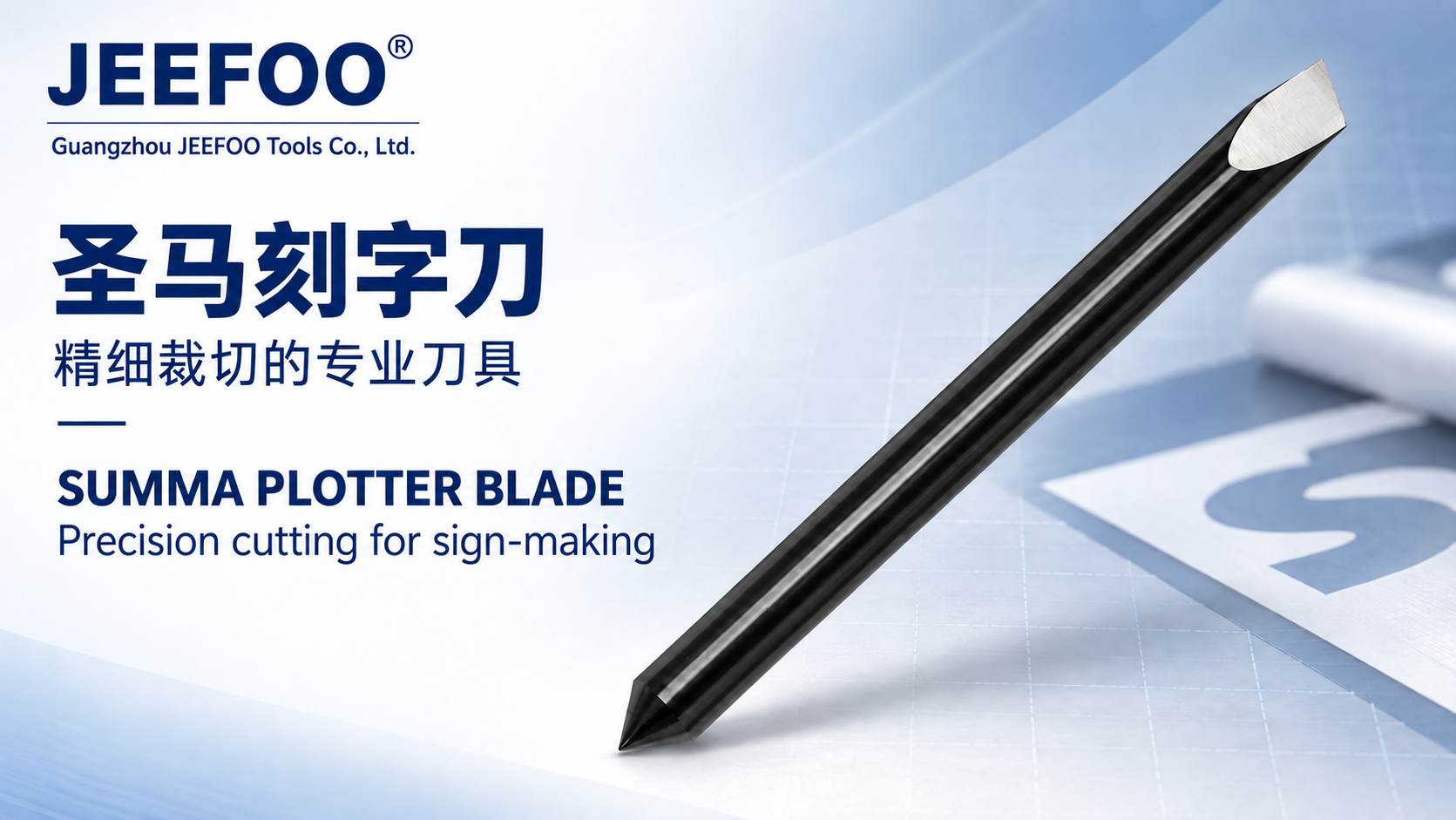
Quick answer: A tungsten steel milling cutter is an imprecise commercial name often used for a cemented-carbide milling tool. It should not be assumed to be conventional steel or a universal “tungsten-titanium alloy.” Exact carbide grade, binder, grain size, coating, flute geometry and approved workpiece determine performance.

What is a tungsten steel milling cutter?
The visible source calls the material hard alloy and tungsten-titanium alloy. Those terms are not enough to identify composition. Many cemented carbides contain tungsten carbide particles in a cobalt or other metallic binder; some cutting grades also contain titanium, tantalum or niobium carbides, while others do not.
The International Tungsten Industry Association’s cemented-carbide overview explains that carbide particles and metallic binder form a composite and that hardness and toughness vary with composition and grain size. Obtain the exact grade rather than inferring it from “tungsten steel.”
Typical machine applications
A compatible cutter can be used on CNC machining centers, CNC engraving machines or conventional milling machines when spindle interface, speed range, power, rigidity, runout, guards and toolpath support it. Machine type alone does not prove compatibility.
Operation depends on cutter diameter, flute count, helix, end geometry, cutting length, reach and coating. Confirm whether the tool is approved for slotting, profiling, pocketing, shoulder milling, ramping, plunging or finishing. An engraving machine may have limited spindle torque or holder capacity even if it reaches high speed.
Hardness, wear resistance and brittleness
| Property | Benefit | Limitation |
|---|---|---|
| Hardness | Supports edge retention and deformation resistance | Does not prevent chipping or fracture |
| Wear resistance | Can extend useful edge life in a matched application | Varies with grade, workpiece, heat and wear mechanism |
| Compressive strength | Supports high contact load | Prying, bending and impact remain dangerous |
| Hot hardness | Can retain cutting properties at elevated temperature | Coating, binder, joint, holder and workpiece limits still apply |
| Toughness | Helps resist crack growth and interrupted loads | Usually trades against hardness and wear resistance |
Carbide is hard but can be brittle relative to tougher tool steels. Impact, excessive runout, chatter, long overhang, chip recutting, collisions or unstable workholding can chip the edge. Do not tap the cutter into a holder or use it as a lever.
Why “Vickers 10K, second only to diamond” is unreliable
The original article gives “Vickers 10K” without a test load, grade, unit or source. Vickers hardness is reported with a defined test condition, and cemented-carbide values vary by binder and grain structure. The phrase “second only to diamond” is marketing language, not a usable selection value.
Use the manufacturer’s grade-specific hardness, transverse rupture strength or toughness, recommended materials and cutting data. A harder grade is not automatically better if the operation includes shock or poor rigidity.
High-speed machining is conditional
Carbide tools can support high cutting speeds in appropriate materials and machines, but “high speed” must be calculated from cutting speed and tool diameter and checked against spindle and holder limits. Small tools may require high rpm; large tools can exceed safe limits at the same rpm.
Speed, feed per tooth, axial and radial engagement, entry, coolant and toolpath must come from the exact cutter supplier. Never raise spindle speed simply because the cutter is carbide.
Seven tungsten steel milling cutter checks
- Resolve the material. Confirm cemented-carbide family, grade, binder, grain size and any added carbides.
- Verify geometry. Record diameter, shank, flutes, helix, cutting length, end form, corner and coating.
- Match the workpiece. Confirm material grade, hardness, condition and interruptions.
- Check the machine. Verify holder, speed, power, torque, rigidity, coolant, guards and clearance.
- Control runout and overhang. Clean interfaces, measure by the specified method and use only required reach.
- Use supplier cutting data. Apply exact speed, feed, engagement, entry and coolant guidance.
- Test and inspect. Monitor chips, load, vibration, heat, dimensions, finish and all cutting edges.
Tungsten steel milling cutter troubleshooting
| Symptom | Checks | Do not assume |
|---|---|---|
| Edge chips | Runout, impact, chatter, entry, overhang and grade toughness | Hardness prevents fracture |
| Rapid wear | Workpiece, grade, coating, speed, heat and chip recutting | All carbide grades wear equally |
| Tool breaks in slot | Chip space, flute count, depth, feed, evacuation and collision | More rpm clears every slot |
| Poor finish | Edge wear, runout, deflection, fixture and toolpath | The workpiece is the only cause |
| Holder fretting | Shank, cleanliness, clamping, balance and load | Retightening alone fixes damage |
Read more carbide milling cutter guides.
Safety notes
- Isolate the machine before touching the cutter or holder.
- Handle sharp brittle edges without impact and wear appropriate eye protection.
- Never exceed the lowest speed limit in the assembly.
- Confirm toolpath, clamps, guards and spindle direction.
- Stop if the tool moves, chips pack or vibration changes abruptly.
Frequently asked questions
Is tungsten steel the same as carbide?
Not reliably. Ask for the exact material and grade.
Does every carbide cutter contain titanium?
No. Composition varies by grade; do not infer titanium from the trade name.
Is carbide second only to diamond?
That slogan is not a usable specification. Compare verified hardness, toughness and application data.
Can it run on any milling machine?
No. Interface, speed, power, rigidity, clearance and operation must match.
Why can a hard carbide cutter chip?
Hardness and toughness differ; impact, bending, chatter and runout can initiate fracture.
Conclusion
A tungsten steel milling cutter should be selected as a grade-specific cemented-carbide tool, not by an ambiguous name or unsupported hardness slogan. Verify material, geometry, machine, workpiece and cutting data, minimize runout and overhang, and prove the process with a controlled test.