
Quick answer: A single-flute straight carbide router bit combines one cutting edge with a straight flute. A compatible product can route listed plastics or wood-based materials without the strong upward or downward axial force of a spiral flute, but chip evacuation, heat, edge finish, and safe cutting data depend on the exact geometry, diameter, carbide grade, machine, and workpiece.

Single-flute straight carbide router bit guide
What is a single-flute straight carbide router bit?
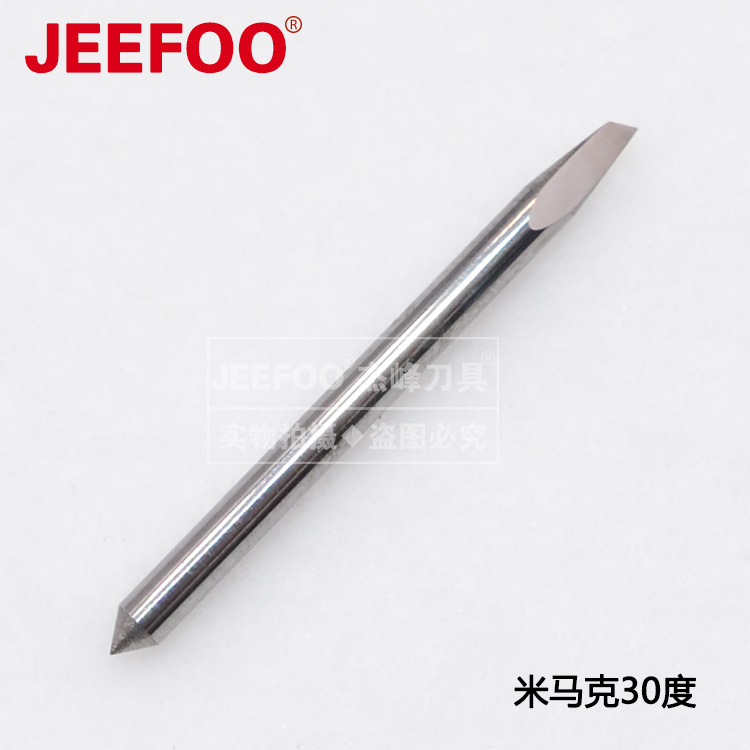
The bit has one principal edge and a straight flute rather than a pronounced helical path. One open flute can provide chip space, while straight geometry generally creates less axial lifting or pushing force than upcut or downcut spiral designs. It does not guarantee automatic chip removal: extraction, feed, depth, slot width, and tool sharpness remain important.
Solid carbide can provide rigidity and wear resistance, particularly in small diameters, but “carbide” is not a full specification. Grade, grain size, coating, edge preparation, and manufacturing tolerances vary. Verify them on the exact product rather than inferring performance from the category name.
Which materials can it cut?
The original description mentioned cork, medium-density wood, medium-hard wood, and some plastics. These are broad categories, not universal approvals. MDF creates fine abrasive dust; cork density varies; and elastic or low-friction plastics can deform, smear, or heat differently. Confirm the manufacturer’s material list and run a controlled test on the actual stock.
As a verifiable example, LMT Onsrud’s official 61-414 page describes a solid-carbide, one-flute, straight O-flute router for hard and soft plastic. It lists cutting diameter, cutting length, shank diameter, overall length, and flute count separately. Those claims apply to that item only and do not establish suitability for wood or every plastic.
Straight flute versus spiral flute
A straight flute can reduce axial force and may be useful where lifting or downward pressure is undesirable. An upcut spiral typically moves chips upward; a downcut spiral pushes chips and force toward the table. Spiral geometry may evacuate chips more actively, while a straight flute may need extra attention in deep slots. Choose by workholding, edge priority, depth, extraction, and the tool maker’s application data.
7 specifications to verify
- Cutting diameter: controls feature size, stiffness, and chip load.
- Cutting-edge length: must cover the depth without rubbing the shank.
- Shank diameter: must fit the correct clean collet.
- Overall length: must provide clearance without excessive projection.
- Flute geometry: confirm straight, O-flute, or another edge form.
- Carbide grade and coating: rely on the product documentation.
- Approved materials and limits: check speed, feed, depth, and machine requirements.
No universal RPM or feed is stated because the original page gives no diameter, machine, material grade, or tool-series data. Using a guessed number could cause rubbing, melting, breakage, or poor finish.
Safe setup and test-cut process
- Inspect the bit and verify rotation, flute type, and material approval.
- Clean the shank and collet; clamp to the maker’s depth without gripping the flute.
- Minimize stick-out while checking holder, fixture, and clamp clearance.
- Secure the workpiece and provide appropriate dust or chip extraction.
- Enter the real diameter and one-flute count in CAM; review ramp, lead-in, depth per pass, and direction.
- Start with manufacturer-supported data and test comparable scrap.
- Inspect chips, heat, sound, edge finish, runout, and workholding before production.
For related cutter information, visit the Jeefoo cutting-tool article hub.
Single-flute straight carbide router bit FAQ
Does a straight flute remove chips automatically?
No. The open flute provides chip space, but extraction, toolpath, feed, depth, and material control evacuation.
Can it cut MDF?
Only when the exact tool is approved for wood composites. Use effective dust extraction and test for wear and finish.
Is it suitable for flexible plastic?
Some straight O-flute tools are intended for plastics, but polymer behavior varies. Confirm the specific material and test it.
Will it prevent workpiece lifting?
Straight geometry can reduce axial force compared with an upcut spiral, but secure workholding is still required.
Conclusion
A single-flute straight carbide router bit can provide low-axial-force cutting and useful chip space in compatible materials. Verify the exact product specifications, plan extraction, and approve the setup only after a monitored test cut.


发表回复
要发表评论,您必须先登录。