快速结论:安娜刻字刀使用技巧应从“先确认兼容、再控制外露、最后微调压力”开始。安装前核对设备、刀座、刀片系列和杆径;加工前执行试切;出现切不透、圆角或底纸切穿时,应同时检查刀尖、OFFSET、外露量、压力、速度和刀座状态,不能只靠持续加压。
安娜刻字刀使用技巧:先核对兼容性
“安娜刻字刀”是产品名称或兼容刀片称呼,而设备真正能否使用,取决于可追溯的尺寸与型号。下单或安装前,至少记录刻字机完整型号、现用刀座型号、原刀片杆径、刀尖角度、偏移量和材料类型。外观看起来相似的刀片,杆径、刀柄长度或偏移量可能不同,不应强行装入刀座。
CB09、CB15是图王 GRAPHTEC 官方刀片系列中的型号命名,不是所有品牌通用的“薄料刀”和“厚料刀”标准。GRAPHTEC 官方耗材页列出 CB09 系列刀片和对应刀座,也列出 CB15 系列及其刀座;部分型号规格和适用材料不同。可查阅 GRAPHTEC 官方切割机耗材目录,再与实际安娜兼容刀片规格对照。
| 核对项目 | 风险 | 建议证据 |
|---|---|---|
| 设备完整型号 | 不同系列的刀座和菜单可能不同 | 设备铭牌与对应用户手册 |
| 刀座型号 | 夹持错误会导致松动或不转刀 | 刀座标识、尺寸图和照片 |
| 刀片系列与杆径 | 外观相似不代表尺寸一致 | 产品规格页或量具实测 |
| 角度与偏移量 | 会影响细节与转角闭合 | 刀片说明与设备 OFFSET 设置 |
| 材料结构 | 面材、胶层、底纸影响切割条件 | 材料技术资料与试切记录 |
正确安装和控制刀尖外露量
关闭设备或按制造商要求停止运动后,再拆装刀片。先清理刀座中的残胶、碎屑和灰尘,检查刀片能否在刀座内顺畅转动;然后将刀片按刀座说明装入并锁紧。若刀柄无法顺利进入,不能敲击、打磨或硬压,应重新核对型号。
刀尖外露并非越长越好。半切只需要切透面材并尽量保留底纸,因此刀尖应只露出完成切割所需的最小长度。外露过长会增加断尖、切穿底纸、划伤切割条和转角翘起的风险;外露不足则可能切不透。原文中的固定外露毫米数不能视为所有设备通用值,应改用具体手册和材料试切确定。
30°、45°和60°刀尖怎样选择
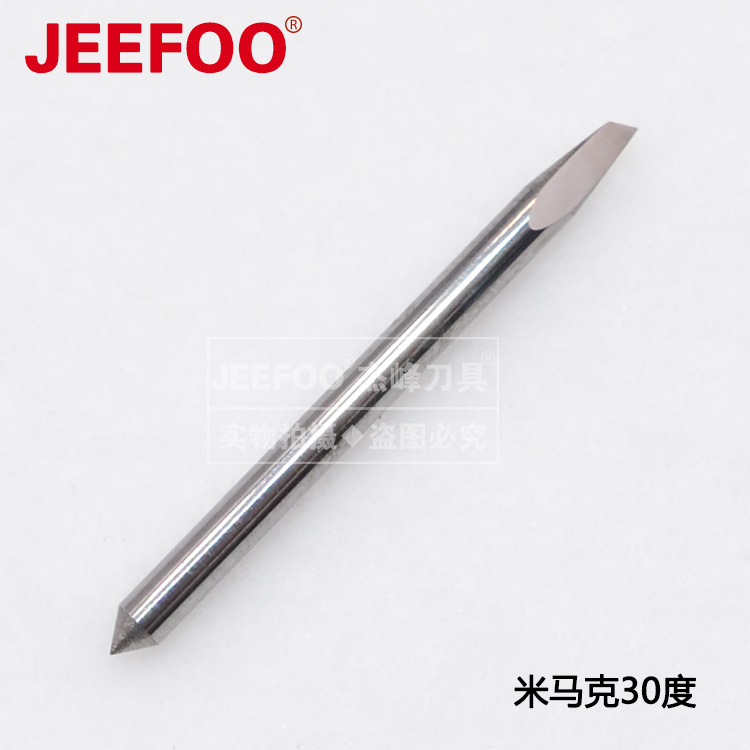
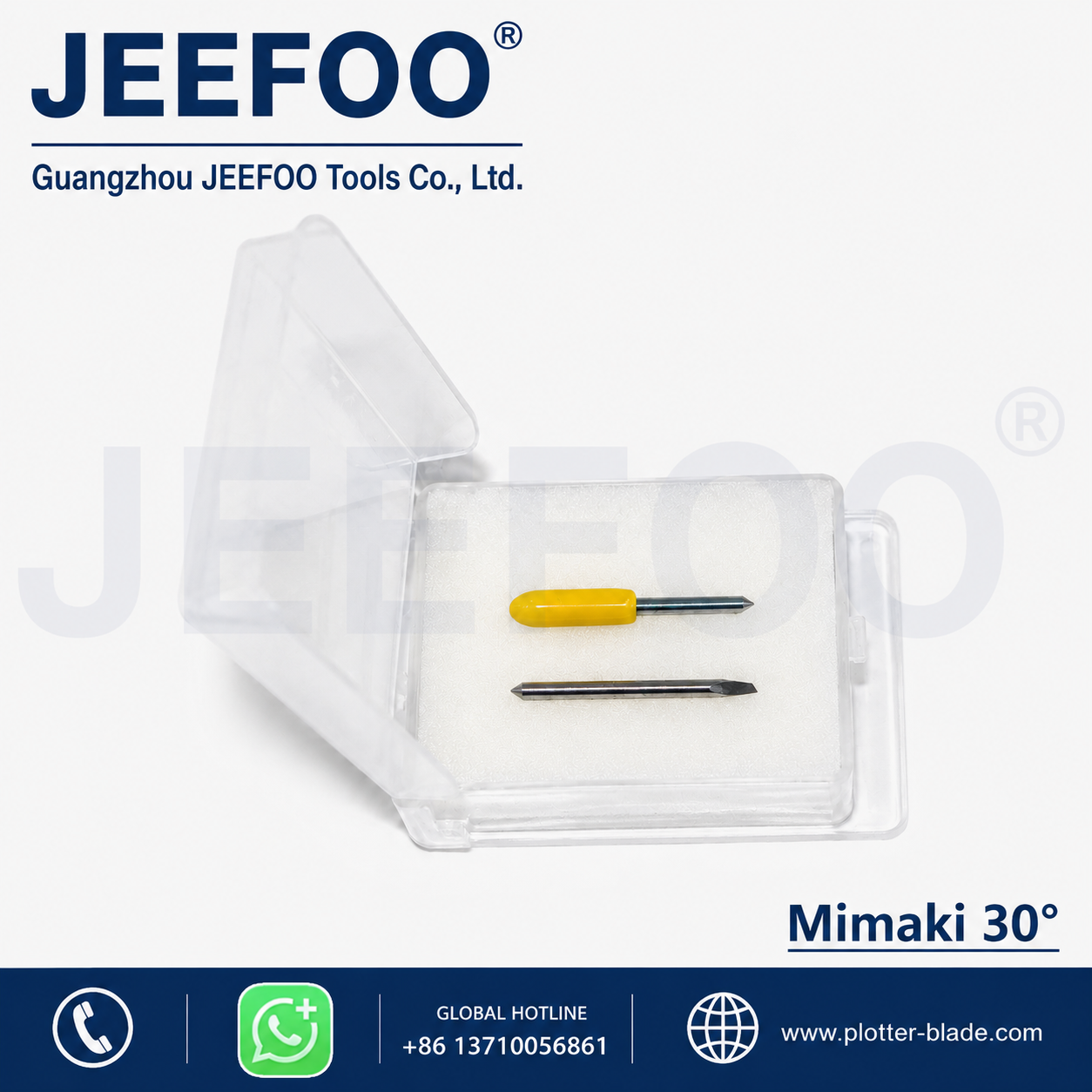
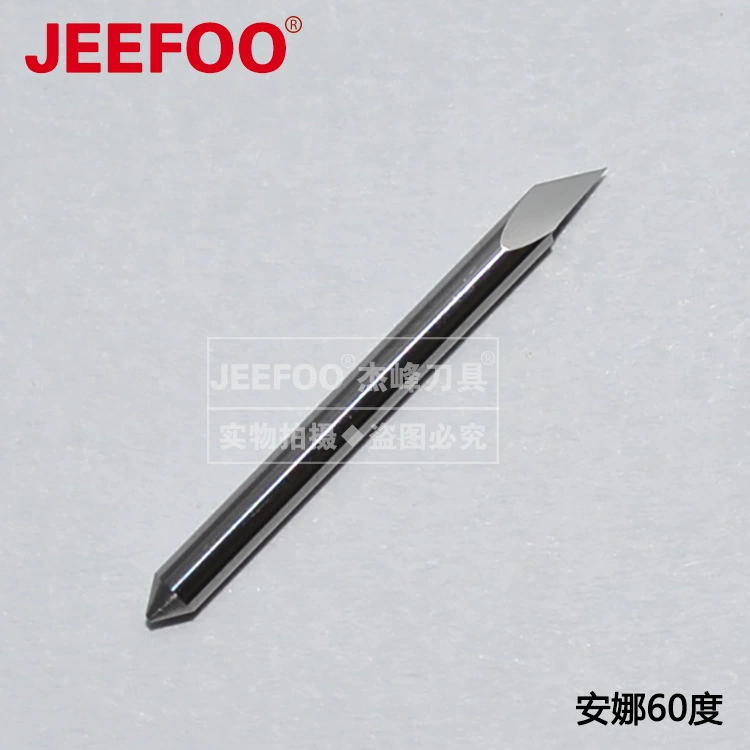
市场上常用角度标签描述刀尖几何,但“30°精细、45°通用、60°厚料”只能作为初步理解,不能代替型号资料。相同角度的不同刀片还可能具有不同杆径、刃长、尖端半径、偏移量和材料。GRAPHTEC 官方资料中,不同 CB09、CB15 和其他刀片型号分别标注了具体直径、角度与材料范围,说明必须按完整型号选型。
- 精细图形:优先核对尖端几何、最小转角能力、OFFSET 与材料是否匹配,不要只看角度。
- 日常薄膜:从设备和刀片供应商认可的通用型号开始,用小图试切验证。
- 反光膜或较厚材料:需要同时核对刀片系列、刃长、设备切割力、材料说明和保护方式。
切换不同角度或系列后,应重新设置刀尖外露、压力、速度和 OFFSET。直接沿用上一把刀的参数,容易出现圆角、拉膜、底纸切穿或切线闭合不准。
压力、速度与试切步骤
- 使用保守起点。参考对应设备手册或已验证工艺记录,不使用“新刀固定降低几档”这类无法跨设备复用的说法。
- 运行内置试切。优先使用设备自带测试图形,检查小图是否闭合、面材能否顺利剥离。
- 检查底纸。理想半切应切透面材,并只在底纸上留下制造商允许的轻微痕迹。
- 一次只改一个变量。先检查外露和压力,再检查速度与 OFFSET,避免同时大幅调整。
- 记录结果。保存材料批次、刀片型号、压力、速度、加速度和偏移量,便于复现。
切不透时怎么处理
先检查刀尖是否磨损或粘胶、刀座是否松动、外露是否不足、速度是否过高和材料是否变化。确认这些项目后,再小幅调整压力。若只能靠不断提高压力才能切透,可能是刀片磨损或型号不适合。
底纸被切穿时怎么处理
优先减少刀尖外露或压力,然后重新试切。不要只把速度提高来掩盖问题,因为过快可能影响转角和细节。还应检查底纸厚度和材料批次是否改变。
圆角、翘角或拉膜时怎么处理
圆角可能来自 OFFSET 不匹配、刀座转动受阻、速度过高或刀尖磨损。翘角和拉膜也可能与外露过长、压力过大、材料附着不足或刀尖几何不合适有关。应停止加工,逐项检查,而不是继续加压。
清洁、保养与安全
- 每次换料或换刀时清理刀座周围残胶,但使用不会损伤刀座结构的清洁方法。
- 检查刀尖是否崩缺、刀柄是否弯曲、刀座是否有异常间隙。
- 长期不用时按供应商说明保护刀尖并单独收纳,避免刀尖与硬物碰撞。
- 不要在运动中触摸刀头或用手清理碎料。
- 出现异常噪声、连续断尖、刀座发热或线条突然失真时立即停止检查。
- 防锈油是否适用取决于刀片和刀座材料;没有明确说明时,不要让油污染刀座、膜材或胶层。
更多安装、材料匹配与故障排查内容可浏览本站刻字刀使用与选型文章目录。站内建议用于建立检查顺序,最终以设备制造商和刀片供应商针对具体型号的资料为准。
常见问题
CB09一定用于薄料、CB15一定用于厚料吗?
不能一概而论。官方产品线中两类刀片的杆径和可选型号不同,具体材料范围还取决于后缀型号、角度和设备。必须查看完整料号,而不是只看 CB09 或 CB15。
新刀为什么更容易切穿底纸?
新刀刃口状态与旧刀不同,原有外露和压力可能过大。应缩短外露、降低压力并重新试切,而不是直接沿用旧刀参数。
出现锯齿是否必须换刀?
不一定。锯齿还可能来自材料松动、刀座间隙、速度、OFFSET 或刀座转动不畅。清洁和校正后仍无改善,再检查刀尖是否磨损或崩缺。
能否直接使用网上的压力和速度数值?
不建议。不同设备的压力单位、材料、刀座和刀尖状态不相同。应以对应设备手册为起点,并通过试切确认。
结论
安娜刻字刀使用技巧的重点不是记住一个固定压力、速度或外露毫米数,而是建立可验证流程:确认设备与刀座、核对刀片完整型号、缩短外露、保守试切、一次调整一个变量并记录结果。无法从图片或名称确认的杆径、角度、材料和兼容性,都不应被当作事实写入工艺参数。
English technical summary: Anna-compatible cutting blade setup
Anna-compatible drag-knife installation and test-cut guide
This English reference summary explains the same safety-first workflow for readers who search in English. The product name “Anna cutting blade” does not by itself establish a shank diameter, tip angle, offset, holder, or machine series. Before installation, identify the complete cutting plotter model, the holder part number, the original blade family, and the sheet construction. Compare traceable dimensions and part numbers rather than relying on product photographs.
Understand CB09 and CB15 references
CB09 and CB15 are blade-family designations found in Graphtec product documentation. They are not universal generic standards for every third-party cutter. Graphtec’s official supplies catalog lists specific CB09 and CB15 blades, holders, diameters, tip angles, and material applications. Compatibility depends on the complete part number, including suffixes, and on the supported machine and holder. A third-party Anna-compatible blade should therefore be checked against the exact official or supplier specification before use.
Install without forcing the blade
Stop the machine according to its operating instructions. Clean adhesive, dust, and fragments from the holder area. Inspect the blade shank, tip, and holder for damage. The blade should enter the correct holder without hammering, grinding, or side loading. If it does not fit normally, stop and recheck the dimensions. A drag knife must also rotate freely enough to follow direction changes; contamination or holder wear can cause rounded corners and lifted details.
Use minimum practical blade exposure
Kiss cutting aims to separate the face film while preserving the liner. Expose only enough blade to complete that cut. Excessive protrusion can cut the liner, damage the cutting strip or machine, increase tip breakage, and lift corners. Too little protrusion can leave sections uncut. There is no responsible universal protrusion value for every machine, blade, holder, and material. Use the matching manual and verify with the machine’s test pattern.
Angle labels require full specifications
Thirty-degree, forty-five-degree, and sixty-degree labels describe nominal cutting geometry, but they do not define the complete blade. Edge length, tip radius, offset, shank diameter, carbide grade, and grinding quality also influence performance. Fine graphics may benefit from a geometry intended for detail, while thicker or more demanding media may require another blade family. The correct decision is the one supported by the blade specification, machine manual, and a successful controlled test.
Pressure and speed adjustment sequence
- Start with the machine manufacturer’s documented condition or a conservative verified shop record.
- Run the built-in test cut on the actual material batch.
- Weed the test and confirm that paths close and small corners remain attached correctly.
- Inspect the liner for excessive penetration.
- If the face film is not cut, check wear, contamination, holder clamping, protrusion, and speed before increasing force.
- If the liner is cut, reduce protrusion or force and test again.
- If corners are rounded, inspect OFFSET, holder rotation, speed, and tip condition.
- Change only one variable at a time and record the result.
Maintenance and troubleshooting
Clean adhesive before it restricts holder rotation. Store blades so the tips cannot strike hard surfaces. Do not apply oil unless the blade and holder supplier permits it, because lubricant can contaminate media or interfere with holder components. Replace a chipped or bent blade, and stop using a holder with abnormal play or damaged clamping surfaces. Keep hands away from the moving carriage and follow machine guarding procedures.
A reproducible setup is more valuable than a copied pressure number. Document the machine model, holder, blade part number, material batch, protrusion method, force, speed, acceleration, and offset. This English summary does not certify any particular Anna blade for a Graphtec or other machine; it provides a verification process, not a compatibility promise.